What Goes Into Crystal Cat Litter? Inside Ruida’s Silica Gel Process
Integrated manufacturing, from raw materials to finished products
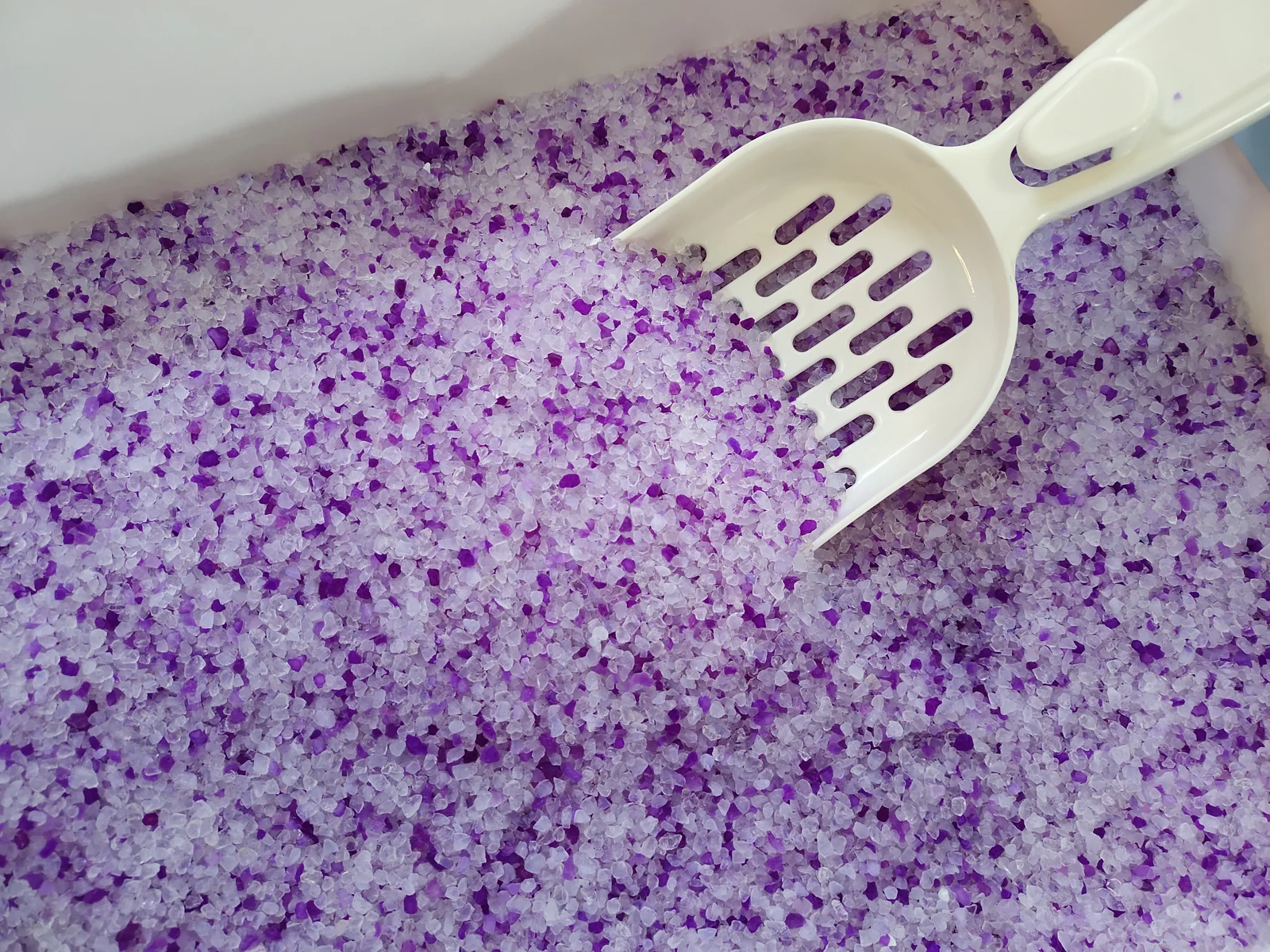
How is the crystal cat litter used around your cat actually made? At Ruida, raw materials pass through preparation, gel formation, aging, washing, drying and screening before becoming finished silica gel granules. Washing is an important stage for removing soluble reaction residues. These production photographs show the process behind the material, rather than relying on a purity slogan alone.
01 Clear starting materials: quartz sand and soda ash
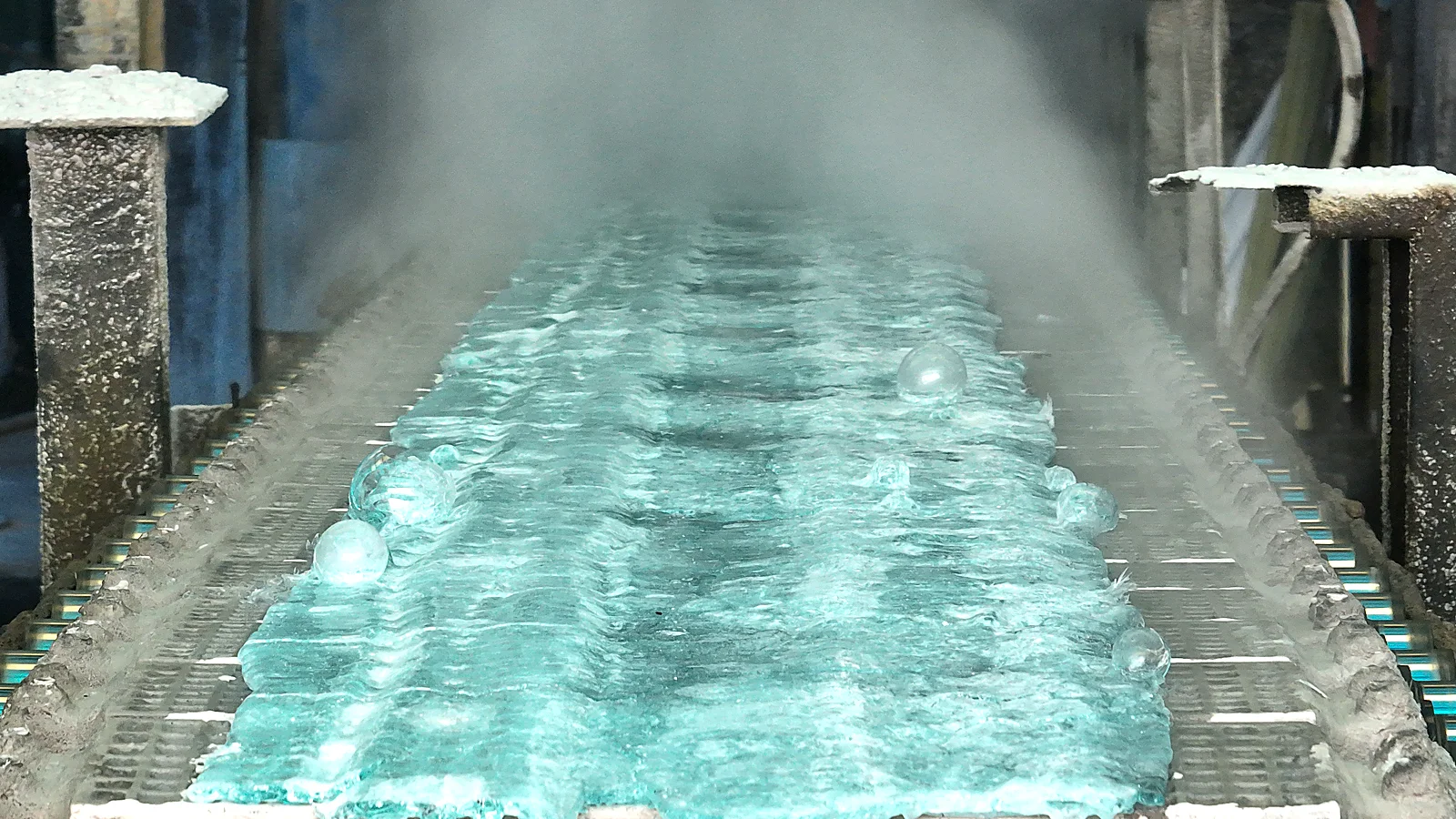
Quartz sand supplies silica, while soda ash is sodium carbonate. High-temperature fusion produces sodium silicate, also known as water glass. Sodium silicate manufacturing at 莒南县瑞达化工有限公司 connects with silica gel processing at SHANDONG RUIDA SILICA GEL CO., LTD.
Na₂CO₃ + mSiO₂ → Na₂O·mSiO₂ + CO₂↑ (high temperature)
Here m is the molar ratio of silica to sodium oxide, commonly called the silicate modulus. The composition depends on the process; commercial water glass should not always be treated as fixed-composition Na₂SiO₃.
02 Dissolution under heat and pressure
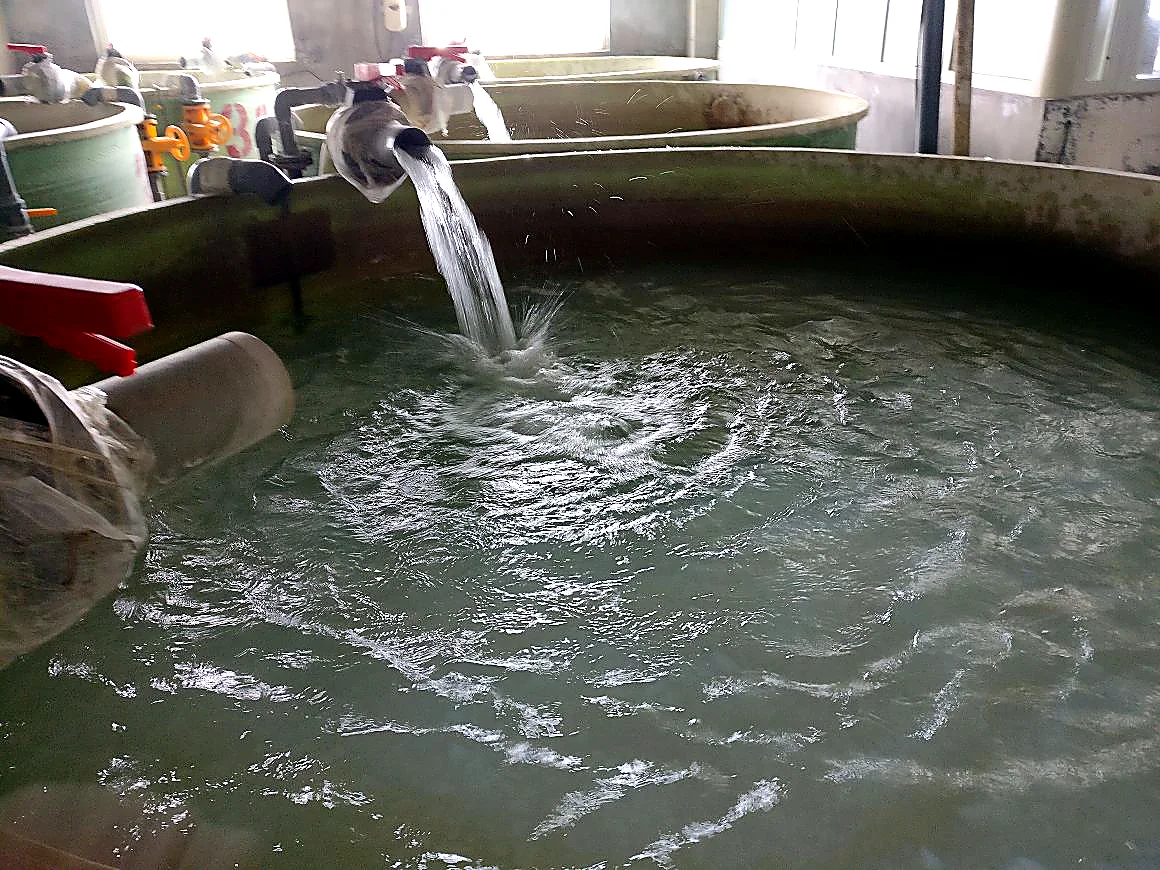
Solid sodium silicate is dissolved in water under elevated temperature and pressure to prepare an aqueous silicate solution. This is dissolution in water, rather than simply melting the solid by heating it.
03 Acid gelation and 48-hour aging
The silicate solution reacts with sulfuric acid to form a hydrous silica gel, with sodium sulfate as a by-product. In the process described by Ruida, the gel undergoes 48 hours of aging in aging tanks to develop and stabilize its structure. Gelation and aging are connected stages; 48 hours is not a universal reaction time for all silica gel production.
Sulfuric acid is a reacting raw material in this process. Gel formation is followed by washing and drying, so the names of the inputs should not be treated as a finished-product ingredient list. The simplified overall conversion is:
Na₂O·mSiO₂ + H₂SO₄ + (mn−1)H₂O → m(SiO₂·nH₂O) + Na₂SO₄
SiO₂·nH₂O represents hydrous silica gel. The water content n is schematic, not a fixed molecular structure. Silica gel is a porous, amorphous silica material.
04 Eight-hour water washing
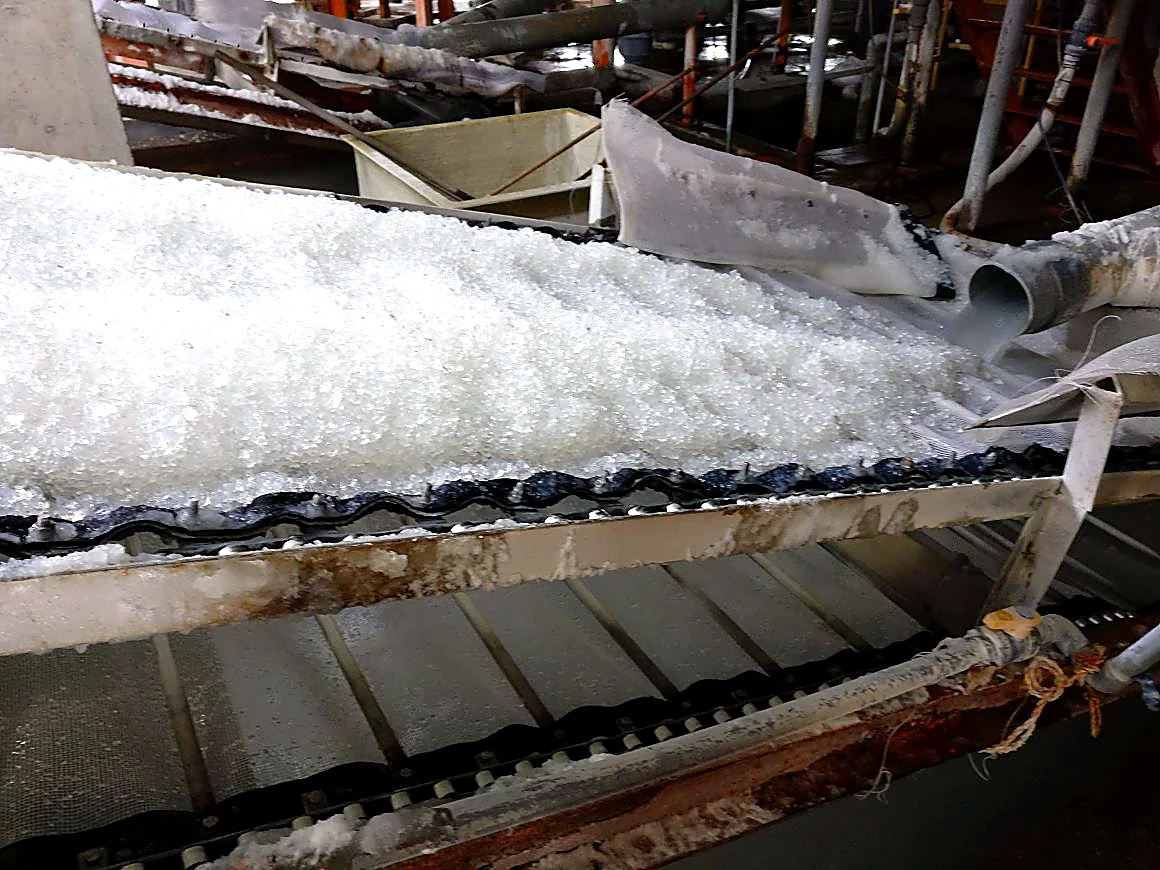
Gel formation is not the end of production. In the Ruida process described here, the aged gel undergoes eight hours of clean-water washing to remove soluble reaction residues such as sodium sulfate. For buyers and pet owners, how the material is washed matters alongside what it is made from. These manufacturing steps explain the work behind material cleanliness; finished-product quality is assessed against the relevant specification and inspection results.
05 Drying the washed gel
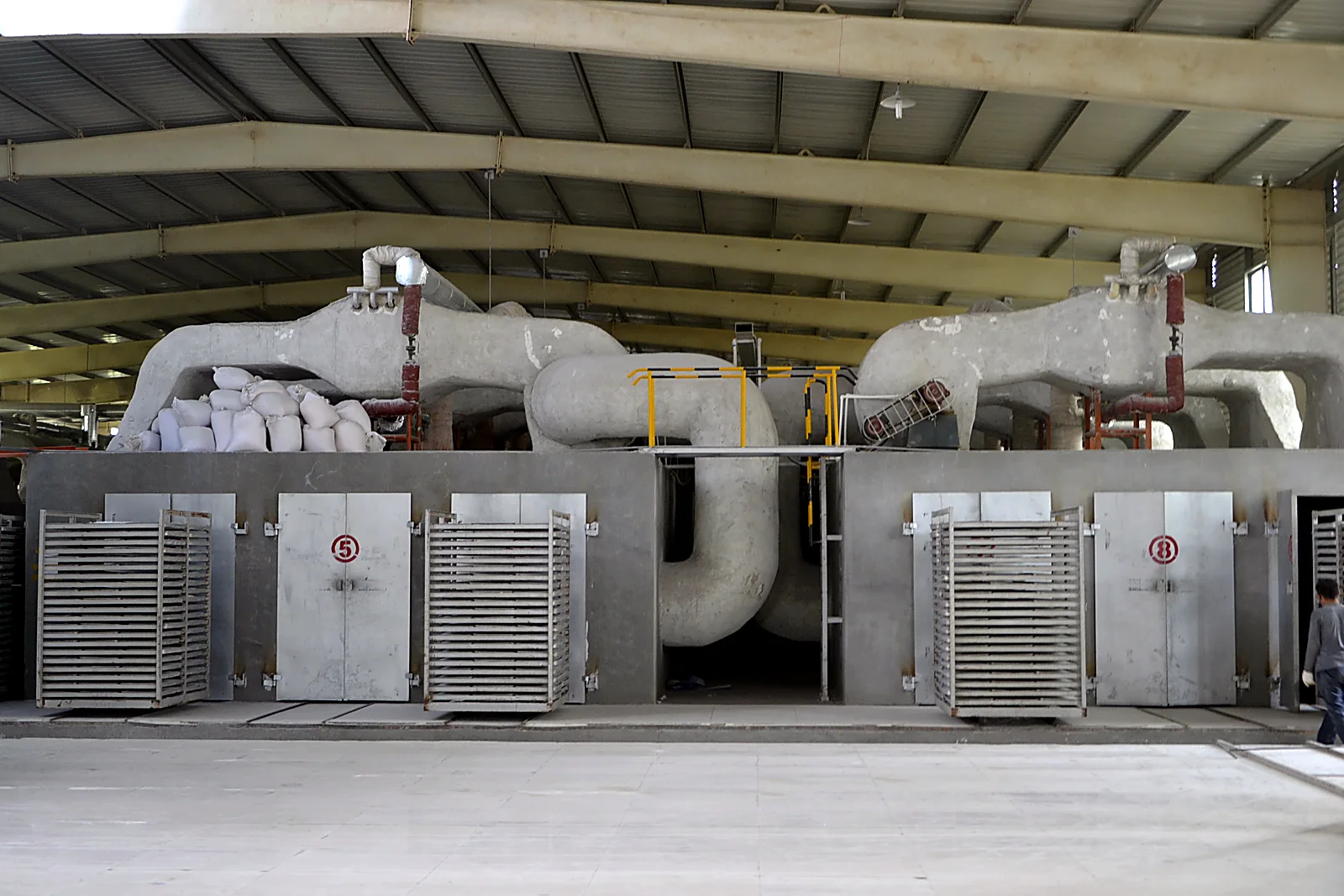
The washed wet gel enters the drying stage to remove water and obtain dry silica gel granules. Conditions are controlled for the intended product before the material moves on to grading and packaging.
06 Screening into particle-size grades
After drying, screening equipment separates the granules into different size grades. Buyers can discuss the required particle size and distribution for cat litter, desiccants or other applications with the factory.
07 Packaging for the agreed supply format
The graded material is packed according to the confirmed packaging plan for storage and delivery. Bulk supply and private-label projects require agreement on the product specification, net weight, packaging materials and label information.
How can pet owners choose a suitable cat litter?
Understanding manufacture is a useful starting point. Also read the ingredient information, directions and precautions for the exact product. Standard crystal litter and scented or colour-indicating versions should be assessed using their own product information.
Follow the pack directions for filling, cleaning and replacement. Avoid scattering the litter or allowing your cat to chew the granules. If persistent discomfort, an unusual reaction or ingestion occurs, stop use and consult a veterinarian.
Cleanliness backed by a visible process
Eight-hour washing, subsequent drying and particle-size screening are the manufacturing stages shown in this article. Process transparency helps explain the product. The safety and suitability of an individual litter also depend on its formulation, relevant test information and conditions of use.
An integrated factory, from raw materials to finished products
Ruida connects sodium silicate manufacturing at 莒南县瑞达化工有限公司 with silica gel processing and finished-product supply at SHANDONG RUIDA SILICA GEL CO., LTD. Buyers can discuss raw materials, processing, particle sizes and packaging directly with the factory, using agreed specifications and approved samples as the basis for supply.
Explore our manufacturing history
Browse the silica product range
Discuss specifications and packaging
Technical references and scope
The 48-hour aging stage, eight-hour washing stage and Ruida process sequence were supplied by the factory. Photographs are user-supplied production-site images with brightness, colour and sharpening adjustments only; they do not document every current production line. The sources below explain general process chemistry and are not Ruida product test reports.